





Description
| Release Date | 29/11/2024 |
| Format | 2LP Black/ CD |
| Label | Analog Africa |
| Catalogue Number | AALP099/ AACD099 |
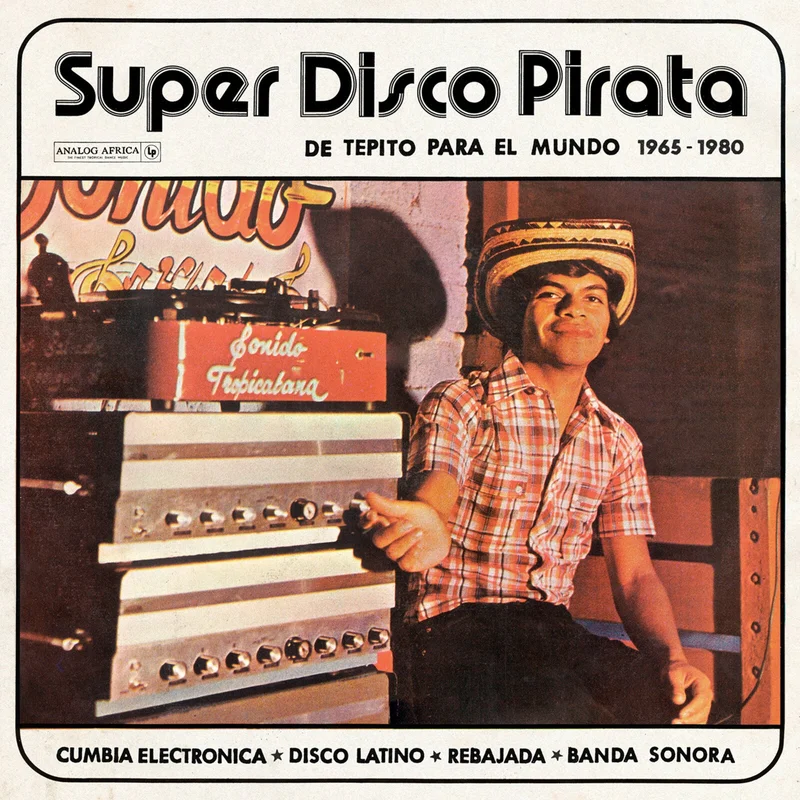
A fascinating audio-visual glimpse into the little-known soniderosubculture of Mexico City’s marginalized barrios, featuring awild soundtrack of old-school tropical bootleg dancefloor classics.Full 28 page booklet tells the story with informative notes andamazing graphics.
During the 1980s, a group of music dealers and record collectors from Mexico City joined forces to create a series of illegally manufactured vinyl records containing rare and highly-sought hits from Per, Ecuador, Colombia and beyond. At the time, Mexico Citys dance-party scene was ruled by the sonideros, a highly developed network of mobile soundsystem operators. The popularity of the soniderosled to a growing demand for tropical music, as their fan base became increasinglyhungry for the exclusive hits associated with particular sonidos. Additionally recorddealers were getting frustrated with the music industry constantly feeding themstreams of mediocre records and from this frustration came the idea of compiling andmanufacturing LPs on which every song was a hit: no matter where the needle dropped,it had to be a song capable of igniting the party.
These bootleg compilations known as pirata were pressed during graveyard shifton recycled vinyl in editions of no more than 500; they were cheaply produced and soldjust as cheaply to people who otherwise wouldnt have been able to afford them. They wereplayed extensively in every corner of Mexicos heavily-populated barrios where, in additionto educating the ears of the youngsters, they also promoted some of the best tropical musicrecorded in Latin America.
According to various first-hand accounts these piratas began to appear mysteriouslyin the early 1980s at various market stalls in Tepito, Mexico Citys infamous barrio, aplace where one can attend daytime Salsa parties, get any drug imaginable, buy any kindof weapon and, of course, purchase pirated music in all formats. It seems that themanufacturers of pirata LPs worked on the principle that what happens in Tepito stays inTepito and getting information about their bootlegging operations was difficult, not tomention dangerous. My partner in crime Carlos Tropicaza Icaza, who had agreed towrite the notes to this project was quick to point out that: We wont be able to discloseany names. Well have to be careful how we tell the story!
At first the pirata LPs came in a simple generic covers, had made-up company namessuch as Discos Music-Hall, Carioca, Garden, or Miami, and contained popular street-dance songs in nearly every tropical genre. As these unlikely compilations becamesuccessful and new ones started being produced at a rate of one per month, the piratesbegan designing and printing interesting looking covers which often featured the logos ofsome of the most popular sonidos such as Rolas, Pancho, La Changa, Arco-Iris,Casablanca. The pioneer of this design style was Jaime Ruelas, who had started out as aDJ for the legendary mobile discoteque Polymarchs before using his illustration skills todesign their flyers, posters and logos. Taking direct inspiration from science fiction moviesand heavy metal covers, the graphics he created became a key element of sonidero culture.
The anonymous manufacturers may not have realised it at the time but, in daring to createpirata LPs, they were helping to consolidate and expand a love for tropical music anddance among the population of Mexico City and beyond. The records themselves are a keyelement of the sonidero culture that was recently declared as part of the Intangible CulturalHeritage of Mexico City for the impact that it has had on multiple generations whoidentified with the communal experience of the street party, and for whom music and dancebecame an essential part of daily life.
This double-LP contains 23 tropical floor-fillers sourced from the finest and strangestpirata LPs produced during the golden age of Mexico Citys mobile soundsystems. It alsoincludes a large booklet containing extensive notes and photos and It is dedicated to all thesonideros for their ground-breaking roles as ambassadors of tropical music withinMexican society.
Tracklist
1. Afro Oriental
2. Cumbia De Los Bee Gees
3. El Tequilazo / Canelazo
4. Palenque
5. La Quinta Sinfonia de Beethoven
6. Venus
7. Lamento de Cumbia
8. Ritmo de Cumbia
9. La 3a De Los Toquecitos
10. La Noche
11. El Compae Nunes
12. La Luna y el Pescador
13. Tanto Tienes, Tanto Vales
14. A Bailar El Son Satanico
15. Cumbia Tropical
16. Hagan Ruedas
17. Eso Es Con Velas
18. Cumbia Del Amor
19. Malinga
20. Platico Chino
21. La China Maria
22. Te Gusta Como Azucar
23. Cumbia Candelosa
Reviews
There are no reviews yet.